Mastering Technical Surveillance Countermeasures: Critical Bug Sweep Instruction for Strengthened Security
Gaining expertise in Technical Surveillance Countermeasures (TSCM) is progressively more essential in today's security landscape. Organizations and individuals face various surveillance threats that can jeopardize sensitive information. Understanding the essentials of bug sweep education is important for effective protection. This involves familiarizing oneself with detection tools and methodologies. However, the landscape of surveillance is continuously changing. What strategies can be utilized to stay ahead of these threats?
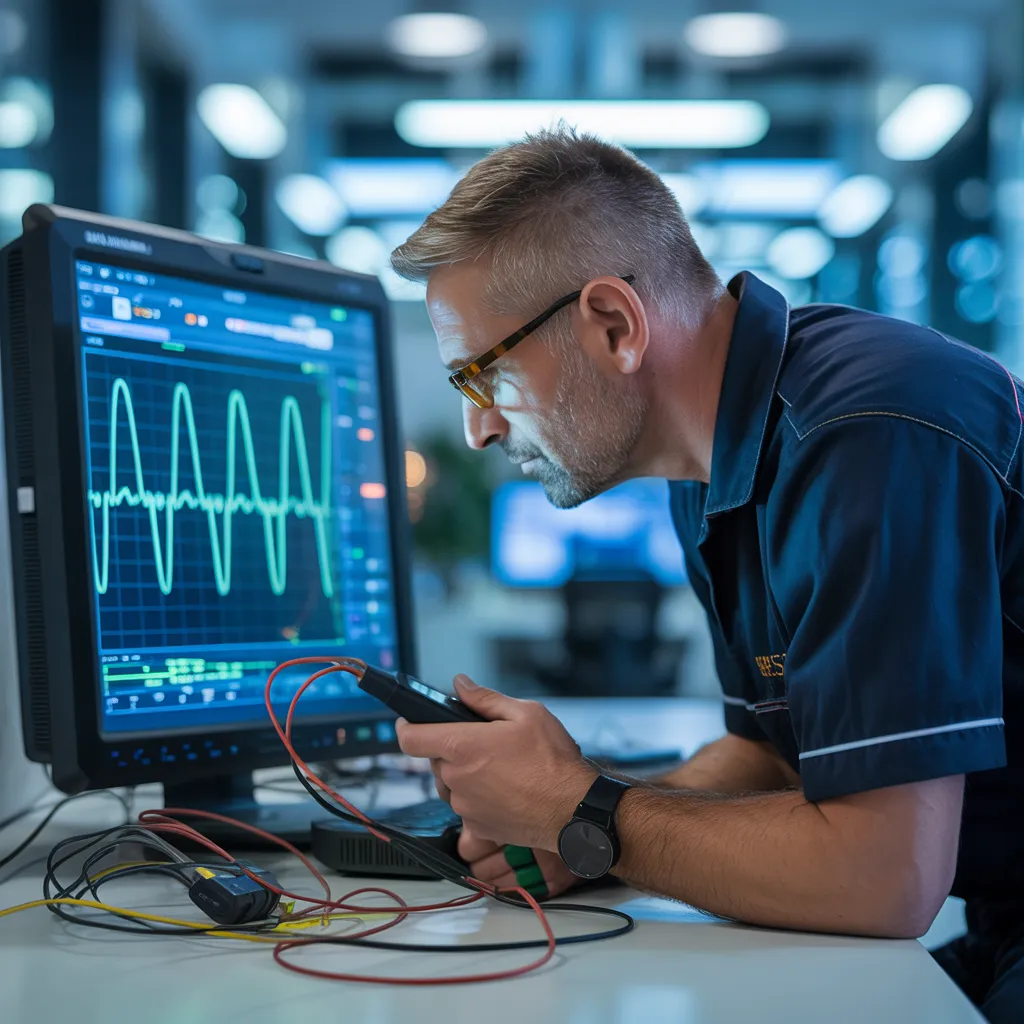
Grasping TSCM Services (TSCM)
Technical Surveillance Countermeasures (TSCM) comprise a variety of methods and tools intended to discover and neutralize unapproved monitoring activities. These practices are essential for securing private information and maintaining privacy in both private and business settings. TSCM involves numerous techniques, comprising electronic sweeps, signal detection, and physical inspections to locate concealed surveillance devices like bugs or cameras.
Professionals in TSCM employ specialized equipment to search for RF signals, infrared transmissions, and other indicators of surveillance technology. The process also includes evaluating the physical environment to identify potential vulnerabilities that could be exploited by adversaries.
The Significance of Bug Sweeps in TSCM for Personal and Organizational Security
Bug sweeps play an essential role in safeguarding sensitive information within both individual and organizational contexts. By identifying read guide and eliminating covert surveillance devices, these measures substantially decrease the risk of corporate espionage. Carrying out regular bug sweeps bolsters overall security and builds trust in confidential communications.
Securing Private Information
In an era where information is one of the most valuable assets, protecting sensitive data has become paramount for organizations as well as individuals. TSCM (TSCM) fulfill a critical purpose in securing these assets from unapproved entry. Consistent TSCM inspections locate and neutralize hidden surveillance devices that can threaten security. These preventive actions not only help in maintaining privacy but also establish confidence among clients and stakeholders. Moreover, bug sweeps can discourage would-be attackers by displaying an organization's commitment to security. In a climate where security risks are developing, integrating TSCM strategies is necessary for minimizing dangers and ensuring that sensitive information remains protected from prying eyes. Consequently, bug sweeps are critical for comprehensive protection plans.
Averting Business Espionage
Numerous companies encounter the persistent danger of corporate espionage, where competitors try to acquire unauthorized access to proprietary intelligence. Bug sweeps play an important role in technical surveillance countermeasures (TSCM), operating as a proactive approach to discover and neutralize hidden surveillance devices. By conducting regular bug sweeps, organizations can detect weaknesses and secure their proprietary data, confidential strategies, and strategic plans. This process not only strengthens protection but also cultivates a culture of vigilance among employees. Establishing effective bug sweep protocols can discourage potential intruders, signaling that the organization emphasizes confidentiality. In an era where information is a competitive advantage, committing to TSCM practices is critical for preserving organizational integrity and securing long-term success.
Standard Kinds of Surveillance Risks to Look Out For
In the field of surveillance threats, people and institutions need to be vigilant against numerous tactics deployed by adversaries. Frequent threats include physical observation techniques, which involve tracking movements and activities, along with electronic eavesdropping devices created to capture confidential communications. Detecting these threats is crucial for proper countermeasures in securing sensitive information.
Physical Surveillance Techniques
Surveillance risks present themselves in numerous forms, each employing distinct techniques to collect data covertly. Physical observation tactics chiefly consist of the watching of subjects or sites without subjects detecting it. Standard approaches involve tailing a subject, utilizing vehicles to track movements, and placing static monitors in tactical spots. These personnel commonly integrate into their settings, rendering identification difficult. Furthermore, the use of disguises or cover stories can additionally improve their capacity to continue unobserved. Significantly, observation can additionally cover public spaces, where targets can be watched utilizing environmental features or gatherings to hide the watcher's presence. Recognizing these practical approaches is vital for formulating protective measures to safeguard private intelligence and guarantee personal security.
Digital Listening Devices
While individuals often focus on physical surveillance methods, electronic eavesdropping devices represent a substantial and insidious threat to privacy. These devices can include covert microphones, camera systems, and RF transmitters, able to record audio and video without detection. Common examples are wiretaps, which intercept voice calls, and covert cameras disguised as everyday objects. Additionally, smartphone applications can also operate as eavesdropping tools, enabling remote access to conversations and data. The proliferation of these technologies has made it increasingly difficult for individuals to secure their personal information. Awareness of these threats is essential for implementing effective countermeasures. Regular bug sweeps and updated security protocols can help reduce the risks associated with electronic eavesdropping devices, ensuring enhanced privacy and security.
Necessary Devices for Efficient Bug Counter-Surveillance
Proper bug sweeping requires a specific arsenal of tools created to locate and eliminate hidden surveillance devices. Key items include RF detectors, which identify radio frequency signals transmitted by eavesdropping equipment. These devices can search for standard frequencies employed by bugs, permitting sweepers to identify potential threats.
Furthermore, thermal cameras help detect hidden cameras by recognizing heat signatures. Acoustic sensors can pick up audio signals, disclosing the presence of microphones. Signal jammers may also be employed to interrupt unauthorized communications, although their use must adhere to legal regulations.
Furthermore, a flashlight and magnifying glass are critical for visual inspections, assisting in discovering concealed devices in common items. Lastly, bug sweeping software can evaluate electronic devices for unauthorized access, additionally improving security. Combined, these tools equip individuals with the capacity to conduct thorough and effective bug sweeps, guaranteeing a secure environment against unwanted surveillance.
Detailed Guide to Carrying Out an Efficient Bug Sweep
Conducting a complete bug sweep requires a structured approach to confirm that no hidden surveillance devices go undetected. The process commences with a detailed assessment of the area to identify potential risk zones. Subsequently, the individual conducting the sweep should gather the essential tools, such as RF detectors, thermal imaging devices, and audio surveillance detection equipment.
The following stage entails an initial visual examination of the environment, concentrating on common hiding spots including smoke detectors, electrical outlets, and furniture. Subsequently, the individual should use detection equipment to scan for radio frequencies or unusual heat signatures.
Once the initial sweep is complete, it's imperative to carry out a secondary review, re-evaluating any suspicious locations. Lastly, documenting results is critical for future reference and analysis, ensuring that any discovered devices can be handled accordingly. This structured method enhances the likelihood of identifying and neutralizing hidden surveillance dangers effectively.
Understanding Ethical and Legal Dimensions of TSCM
Understanding the legal and ethical aspects of Technical Surveillance Countermeasures (TSCM) is vital for professionals in the field, as it provides compliance with legal requirements governing surveillance activities. TSCM professionals must be familiar with federal, state, and local laws that establish the parameters of surveillance and privacy rights. Unauthorized surveillance can cause serious legal repercussions and damage professional reputations.
Ethically, practitioners should preserve integrity and respect client confidentiality. They should avoid invasive methods that could breach personal privacy or trust. Transparency in operations and clear communication with clients about techniques and potential outcomes are essential.
Additionally, TSCM specialists should remain informed about developing legal frameworks and ethical standards to adjust to changes in technology and societal expectations. This continual education encourages responsible practice and enhances the credibility of the TSCM field in an increasingly complex security landscape.
Where to Find More Resources on TSCM Skills
Gaining expertise and proficiency in Technical Surveillance Countermeasures (TSCM) requires a comprehensive approach that incorporates formal education, hands-on training, and industry resources. Many specialized training programs are accessible through organizations specializing in security and surveillance, offering courses that cover the basics of TSCM, advanced detection strategies, and equipment usage.
In addition, online platforms provide webinars and tutorials tailored for both beginners and experienced practitioners. Networking with professionals in the field can also be extremely valuable; attending conferences and workshops enables knowledge sharing and practical insights.
Moreover, official certifications from accredited institutions lend credibility and improve competency in TSCM. Reviewing scholarly articles, professional journals, and contributing to forums devoted to surveillance countermeasures keeps practitioners updated on the latest technologies and methodologies. By utilizing these diverse resources, individuals can competently create a strong foundation in TSCM skills.
FAQ
What Are the Required Qualifications for Becoming a TSCM Professional?
To turn into a TSCM expert, one generally needs a background in electronic engineering, specific training in surveillance equipment detection, strong analytical skills, and certifications associated with security technologies and countermeasures. Security experience is also advantageous.
How Frequently Should Bug Sweeps Be Performed?
Bug sweeps ought to be carried out routinely, most commonly every three to six months, or more often if there are identified risks or changes in security protocols. This provides persistent safeguarding against surveillance vulnerabilities and security violations.
Could DIY Bug Sweeping Actually Be Worthwhile?
DIY bug sweeping works well for basic checks; however, it frequently lacks the precision and expertise that professionals offer. Individuals may overlook sophisticated devices, resulting in potential vulnerabilities in their security measures.
Which Signs Point to a Surveillance Threat?
Warning signs of possible surveillance activity include unusual electronic disruptions, odd sounds while talking, items out of place, frequent feelings of being watched, and unexpected changes in behavior from known individuals, pointing to possible observation or invasion.
How Do I Select a Reputable TSCM Service Provider?
To pick a reliable TSCM service provider, it's important to review their professional background, background, and client feedback. In addition, confirming their approaches and making sure they use advanced technology can help ensure effective and thorough surveillance detection services.