How Business Security Solutions Protect Your Property and Personnel
Within the current fast-moving commercial sector, defending your resources and staff is vital. Implementing comprehensive security systems can considerably minimize dangers associated with theft and accidents. From monitoring systems to access control measures, these tools collaborate to create a safer and more secure workplace. But how do these systems truly perform to improve security? Let's investigate the various components that comprise an all-encompassing security strategy.
The Significance of Business Security Systems for Asset Protection
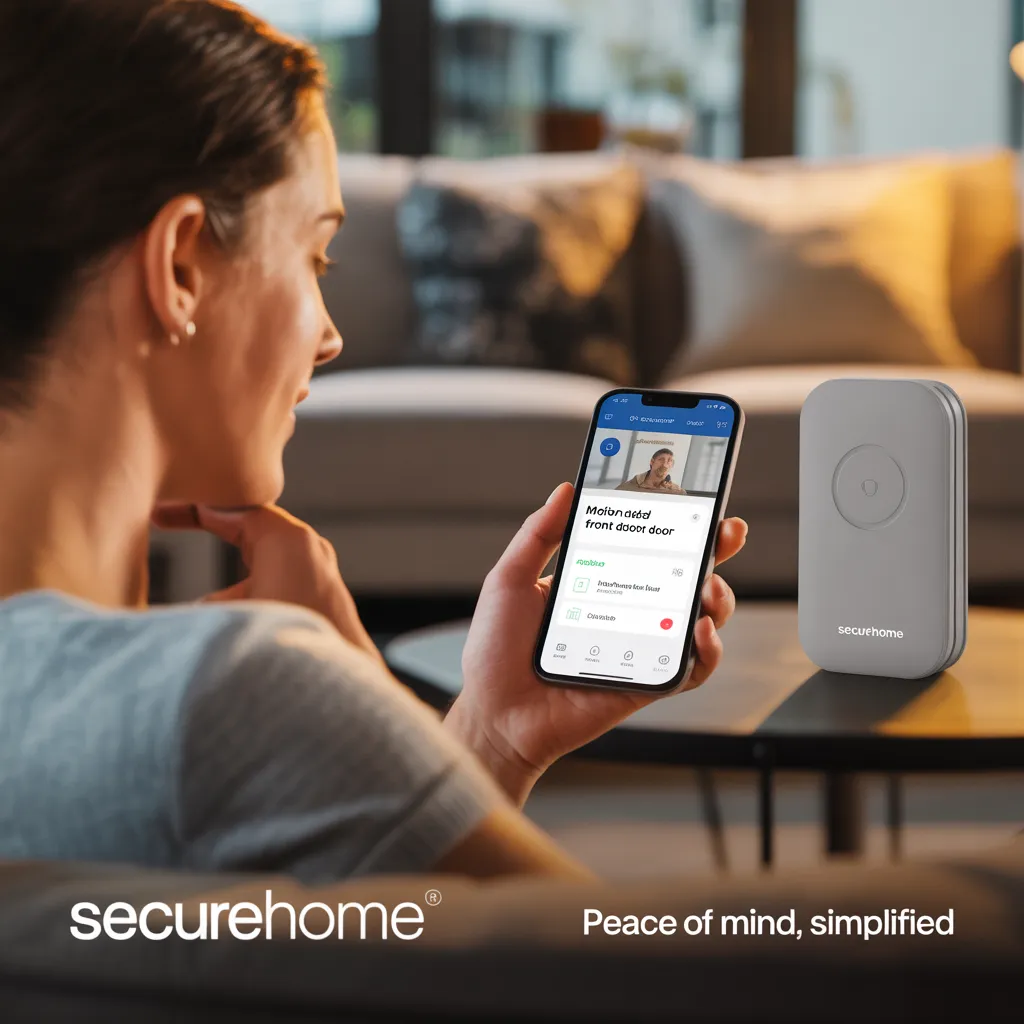
As you think about the safety of your business, it's important to recognize that effective security systems are necessary for protecting your assets. These systems not only discourage potential intruders but also provide you with peace of mind. With the right security measures in place, you can protect your tangible and digital assets, ensuring your investment remains secure. A complete approach, including access control, alarms, and monitoring, can help you recognize and respond to threats quickly. Furthermore, it promotes a safer work environment for your employees, which can increase productivity and morale. By emphasizing security, you're not just protecting your property; you're also demonstrating a commitment to the well-being of everyone involved in your business.
How Surveillance Technology Prevents Theft and Vandalism
Surveillance cameras act as a visible deterrent, making potential thieves hesitate before targeting your business. Not only do they deter criminal activity, but they also offer essential evidence if an incident does occur. With this additional layer of security, you can protect your assets and ensure a safer environment.
Observable Deterrent Impact
A substantial body of research shows that visible surveillance cameras can greatly diminish incidents of theft and vandalism. When potential criminals spot cameras, they're much more prone to hesitate before acting. This deterrent effect is particularly strong in areas where theft is widespread, as the presence of cameras transmits a definitive message: you're being watched.
Furthermore, the basic sight of a camera can enhance feelings of safety among your employees and customers. They'll feel more secure knowing that you're taking action to protect them and your property. By utilizing visible surveillance, you not only shield your assets but also create a safer environment, making it less appealing for perpetrators to target your business.
Evidence Supporting Investigations
While the presence of cameras might seem like a simple security measure, they play a vital role in investigations following incidents of vandalism and theft. When a crime occurs, video footage provides valuable evidence that can help identify suspects and clarify the sequence of events. This evidence not only aids law enforcement but can also streamline insurance claims and legal proceedings. You'll find that many perpetrators think twice before engaging in criminal activity when they know they're being recorded. In addition, having clear footage can deter false claims, protecting your business from unwarranted accusations. By investing in surveillance cameras, you're not just safeguarding your assets; you're also ensuring that, should an incident occur, you have the evidence needed to take necessary action.
Professional Security Solutions: Access Control to Keep Unauthorized Visitors Out
When your business develops, maintaining a safe environment becomes crucial, particularly when it involves controlling access. Installing an effective access control system assists you in managing who enters your premises, granting access to only authorized personnel. You can use keycards, biometric scanners, or mobile access apps to streamline entry while improving security.
What Makes Alarm Systems Essential During Emergencies?
Setting up access control systems is only one component of creating a protected business environment. Alarm systems play a vital role during emergencies by offering immediate alerts when something goes wrong. Whether it's a break-in, fire, or other emergencies, these systems can inform you and the authorities in real-time, ensuring a quick response. This prompt communication helps minimize damage and safeguards your employees and assets. In addition, alarms can stop potential threats before they escalate, serving as a strong deterrent to intruders. In stressful situations, having a reliable alarm system gives you peace of mind, knowing that you've taken steps to safeguard your business. Ultimately, alarm systems are essential tools for strengthening your overall security strategy.
Deploying Safety Protocols for Staff Safety
Creating a safe workplace is crucial for both employee well-being and overall productivity. To put into place effective security protocols, start by conducting a complete risk assessment. Identify potential hazards and vulnerabilities unique to your environment. Next, establish clear policies that detail safety procedures and emergency protocols. Frequently train your employees on these protocols, so they know how to handle when issues arise. Foster open communication about safety concerns, and create an environment where employees feel confident reporting issues. Moreover, consider appointing safety officers to monitor compliance and address any emerging risks. Consistently review and update your protocols to adapt to new threats. By emphasizing these steps, you can foster a culture of safety that protects both your employees and your business.
Harnessing Advanced Technology for Complete Security Solutions
Although traditional security measures are essential, utilizing modern technology can substantially enhance your business's security and efficiency. By integrating advanced surveillance systems, you can observe your premises in real-time, allowing for faster response times to potential threats. Smart access control systems allow you to limit entry to sensitive areas, making certain only authorized personnel can access critical assets. Additionally, cloud-based security solutions provide remote monitoring capabilities, allowing you oversee operations from anywhere. Using alarm systems with automated alerts can help you remain aware of any incidents immediately. With data analytics, you can detect patterns and vulnerabilities, allowing you to proactively strengthen your security measures. Embracing these technologies not only secures your assets but also fosters a safer work environment for your employees.
Routine Maintenance and Updates for Continuous Protection
To ensure your business remains secure, regular maintenance and updates of your security systems are essential. Over time, vulnerabilities can emerge as technology evolves, and without prompt updates, your systems may not deliver the protection you need. Schedule routine inspections to ensure all components function properly, from alarms to surveillance cameras. If you notice any issues, address them without delay to prevent potential breaches.
Additionally, remain updated on the latest security software updates and firmware releases. These updates often provide critical patches Business Security Camera Systems that improve your system's defenses. By devoting time in maintenance and updates, you're not just safeguarding your assets; you're also securing your employees. Make a priority of this ongoing commitment to verify your business remains a safe environment for all.
Questions & Answers
How Much Will Business Security Systems Usually Cost?
Commercial security systems generally range between $500 and $2,500, relative to the level of sophistication and options you opt for. Monitoring fees may add an additional $20 to $100. It's important to evaluate your specific needs for reliable cost calculations.
Are Security Systems Customizable for Specific Business Needs?
Absolutely, security systems are customizable based on your unique business needs. You can choose features like surveillance cameras, alarms, and access controls designed to shield your unique assets and guarantee the safety of your employees.
What Are the Legal Standards for Installing Surveillance Cameras?
You are required to follow local laws related to surveillance cameras, which typically include alerting employees and customers, putting up signs, and making sure cameras don't invade private spaces. Always consult your jurisdiction's regulations prior to installation to prevent legal issues.
What's the Best Way to Choose a Security Provider?
To pick the right security provider, assess their services, experience, and reputation. Review pricing, request references, and ask about customization options. Trust your instincts; a trustworthy provider should focus on your specific security needs.
What Steps Must I Follow After a Security Breach?
Following a security breach, you should determine the extent of damage, contact affected stakeholders, collect forensic data, contain the breach, and enhance your protective measures. Finally, evaluate your response plan to refine future incident management and prevention.